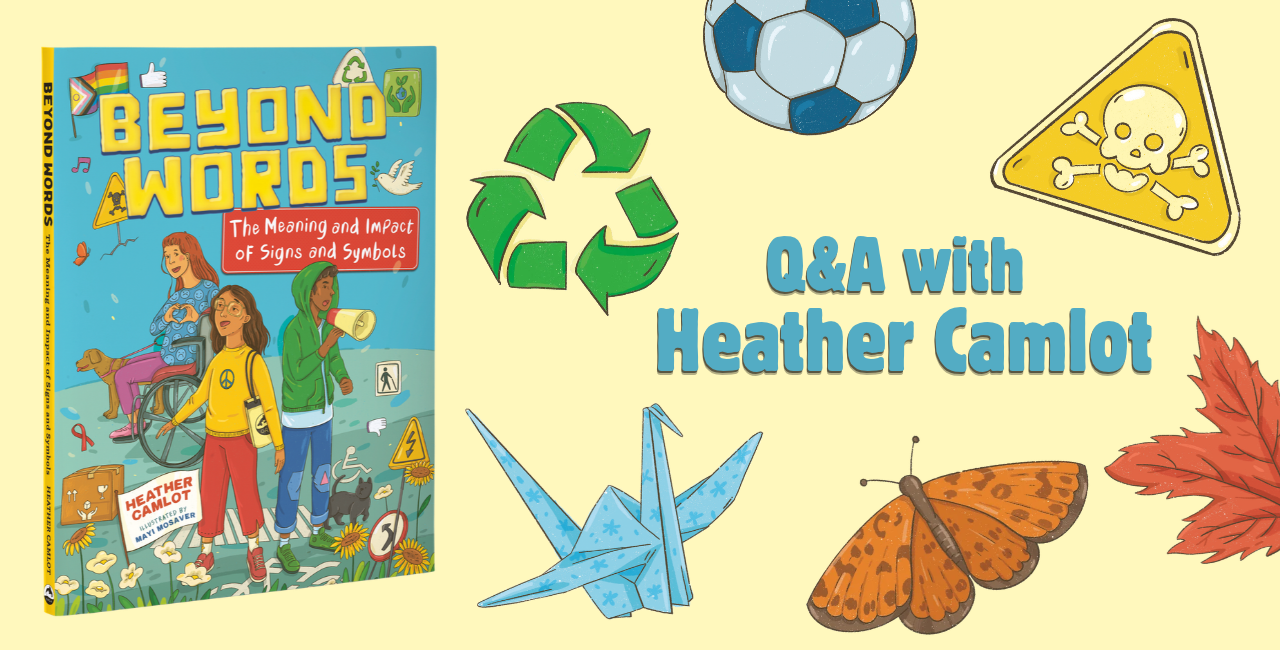
Without using words, symbols can tell us what to do, where to go and what to avoid. They can tell others who we are, what we believe and what we support. In Heather Camlot’s Beyond Words, readers learn the fascinating history of symbols and the power they have in our world accompanied by vibrant illustrations from Mayi Mosaver.
Read on to hear the author discuss her inspiration, research and what she hopes young readers take away from the book.
What inspired you to write a book all about signs and symbols?
The idea began with a quote in a newspaper: “When we do talk to kids about why they drew swastikas all over the bathroom, inevitably what they say is ‘I know it’s bad, but I don’t know what it means.” This was in the January 26, 2023, edition of the Globe and Mail and came from Toronto District School Board spokesperson Shari Schwartz-Maltz.
It shocked and angered me that kids are drawing hate symbols even though they have no idea they’re hate symbols and have no idea how painful seeing these symbols can be to people.
The quote was the inspiration, but it wasn’t the only motivation. In 2022, my daughter’s public high school was defaced with antisemitic graffiti. In 2023, after the start of the Israel–Hamas War, my childhood synagogue was hit by a firebomb—and again just over a year later. In 2024, as I wrote Beyond Words, I was hearing antisemitic slurs and seeing hate symbols around my neighborhood. And I thought, people who have never met me hate me simply because I’m Jewish.
As I started looking into hate symbols across different religions, communities and populations, the importance of a book about the meaning and impact of symbols became clear.
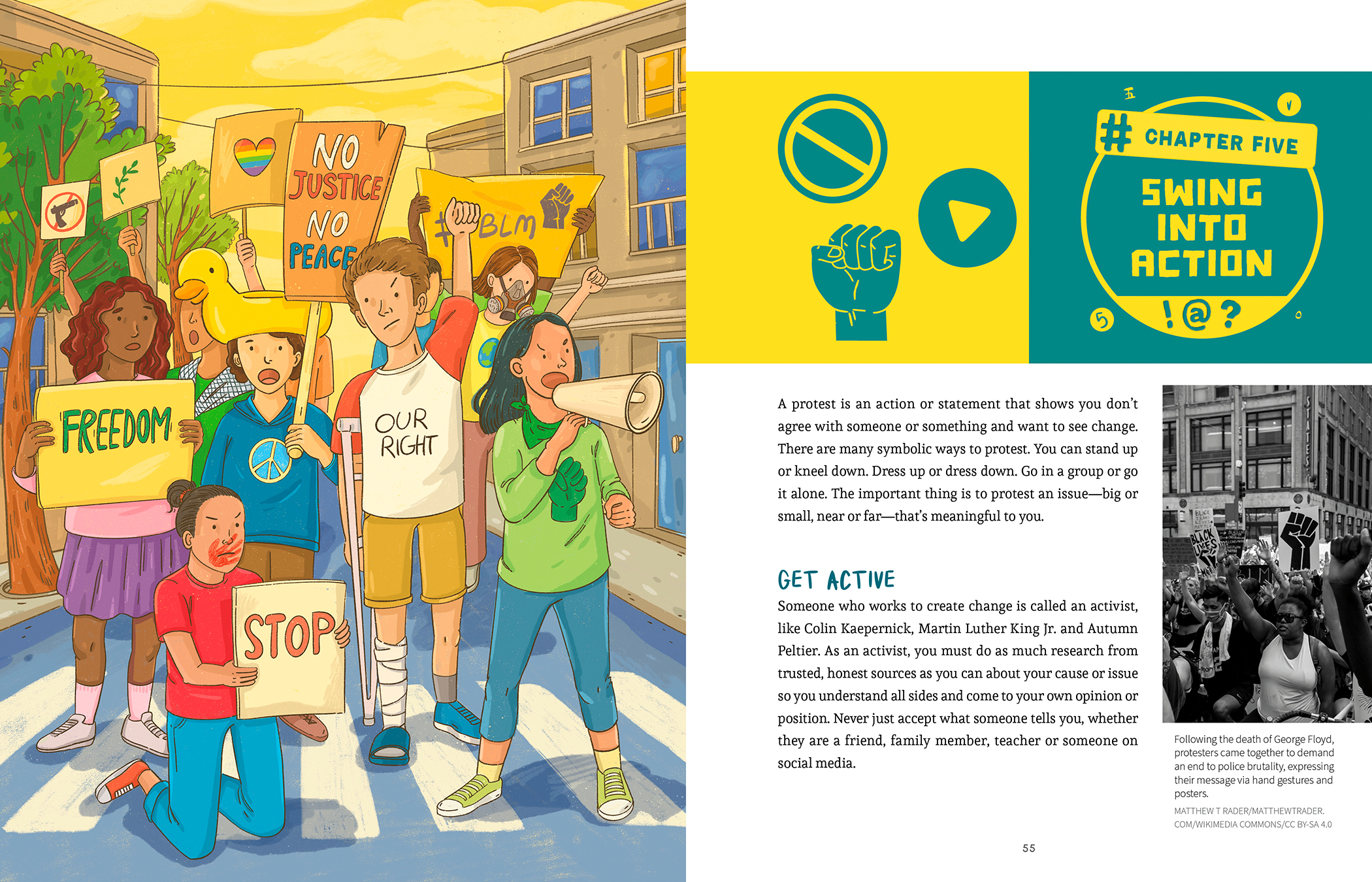
Beyond Words is really a book about social justice. Although it began with hate symbols, it includes sections about peace, protest and support symbols to encourage understanding, mutual respect, and empathy. A kinder world.
What was your process like for writing Beyond Words?
Research, research, research!
I introduce what symbols are before moving on to their impact. The Cooper Hewitt, Smithsonian Design Museum in New York City happened to have an exhibit called Give Me a Sign: The Language of Symbols around the same time that I began writing, and I reached out to Emily Orr, the associate curator and acting head of Product Design and Decorative Arts.
Finding the right balance of symbols for each section and subsection, along with a mix of new and known, was a wonderful challenge—I love doing research! I pored over books written by experts in the field, searched the internet, read and tore out articles from the newspaper and kept my eyes open while walking around different neighborhoods and cities I happened to be in.
The hardest—or maybe a better word is trickiest—part was the hate symbols section. I worked with Acting Sergeant Detective Kiran Bisla from the Toronto Police Services Hate Crimes Unit. She was really dedicated to this project, and I can’t thank her enough for the time she spent reading over multiple versions of the manuscript, making corrections and suggestions and answering questions.
I have to say all the experts I consulted were extremely helpful and patient as the book came to be, from my initial research as I was still getting my bearings on the scope of the project right to the very end when I was fact-checking. I’m grateful that they took the time to share their expertise with me.
Do you have a favorite fact or anecdote that you learned while researching the book?
I learned a lot the whole way through. I am fascinated by how some people tried to create an international system of symbols to bypass language barriers in order to promote peace. American anthropologist Margaret Mead, Austrian American graphic designer Rudolf Modley, and American industrial designer Henry Dreyfuss worked with symbols while ophthalmologist Ludwik L. Zamenhof worked with words, inventing the Esperanto language for the same purpose.
What do you hope young readers take away from the book?
It comes back to the answer to your first question: I hope young readers learn how painful and traumatizing certain symbols can be. I hope they question what a symbol means before they decide to draw or use it in any way, and I hope they share that information with their friends. I hope they inform teachers or parents or another trusted adult when they see hate symbols at school or other public places so the symbols can be removed and no one has to see or be hurt by them.
I hope young readers understand how powerful symbols are and fill their neighborhoods with symbols of peace to inspire a world of love and support.
What’s next for you?
Spring 2027 will see my second middle-grade nonfiction book with Orca, Champions for Change: How Athletes Are Making a Difference. It continues with the social justice theme, but here the spotlight is on the sports world. Champions for Change focuses on how throughout history athletes have overcome all kinds of obstacles to play and compete and how people in the sporting community are speaking out and sharing their own stories to raise awareness and advocate for a better world.
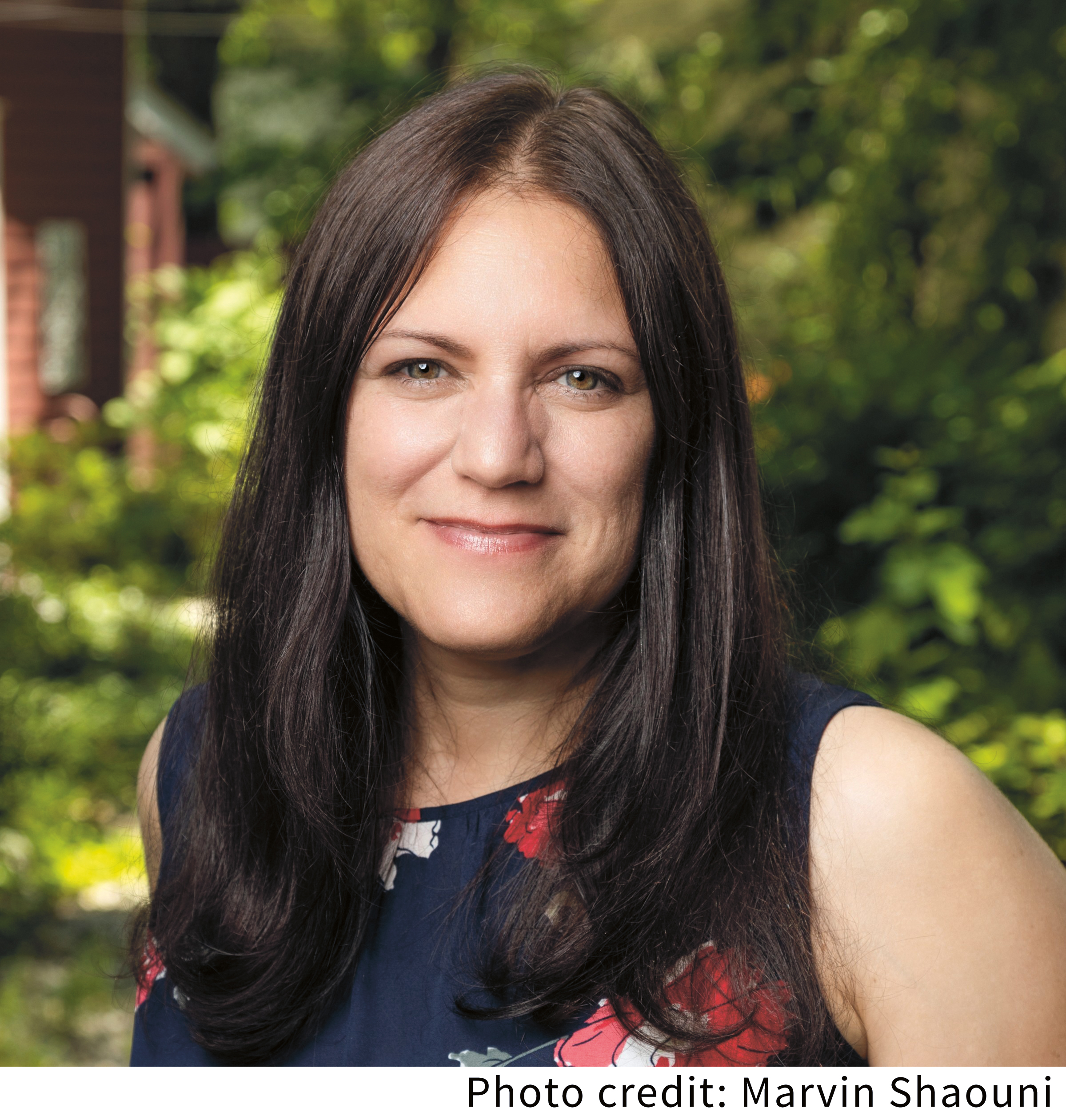
Heather Camlot is an award-winning children’s author, journalist, editor and translator. She has written several fiction and nonfiction books for young people that touch on themes of social justice, diversity and misinformation, including Clutch, The Prisoner and the Writer and Beyond Words. Originally from Montreal, she lives in Toronto with her family.